

Quick answer
Cairns to Great Barrier Reef time typically ranges from 90 minutes to two hours by high-speed catamaran, depending on the reef site. Outer reefs like Agincourt Ribbon Reefs sit farther offshore and require longer transfers, while inner platforms closer to the continental shelf reduce travel to around 60 minutes. Early morning departures between 07:00 and 09:00 offer calmer seas and maximize your reef time before afternoon wind picks up.
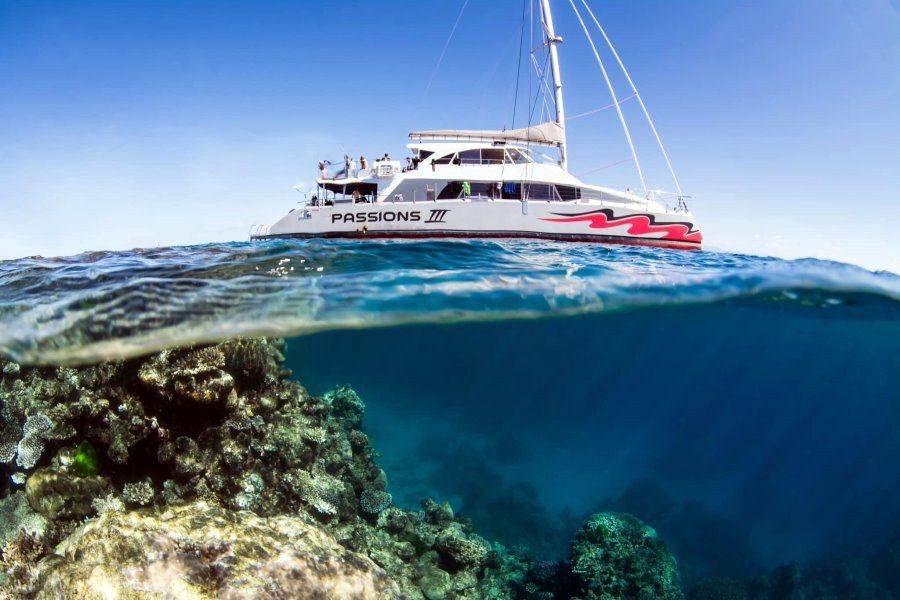
Most reef operators depart Cairns Marina between 08:00 and 08:30, targeting arrival at outer pontoons by mid-morning when visibility peaks. The 90-minute average assumes a direct route to mid-shelf sites—vessels heading to Agincourt Reefs or Ribbon Reefs in the far northern section often log two full hours of ocean travel. High-speed catamarans dominate the route, trading comfort for speed; older sailing vessels or budget operators may extend the cairns to great barrier reef time past the two-hour mark. Sea state determines whether your transfer feels swift or grueling. Trade winds intensify after 11:00, building swell that slows catamarans and triggers motion sickness in passengers unaccustomed to open water. Skippers adjust speed to maintain passenger comfort, which can add 15 to 20 minutes to the published schedule. The Great Barrier Reef Marine Park spans 344,400 square kilometers—your destination coordinates matter more than generic "reef trip" marketing suggests. Operators targeting different reef zones offer vastly different experiences. Inner-shelf platforms like Green Island or Fitzroy Island require only 45 to 60 minutes by ferry, but these sites see heavier visitation and reduced coral density compared to outer-shelf locations. The Environmental Management Charge of 8.50 AUD applies uniformly to trips exceeding three hours, covering both transfer and reef time. Most full-day itineraries budget five to six hours at the reef itself, meaning the round-trip marine transit claims three to four hours of your day. Reef access from Cairns operates year-round, but tropical weather patterns shift transfer reliability. November through March brings monsoonal moisture and afternoon squalls that can delay or reroute vessels. Choosing a morning departure slot not only secures calmer seas but also aligns your reef arrival with peak underwater visibility before midday sun angle degrades water clarity.
“The 90-minute average assumes a direct route to mid-shelf sites—vessels heading to Agincourt Reefs or Ribbon Reefs in the far northern section often log two full hours of ocean travel.”
Cairns To Great Barrier Reef Time And Visit Planning
Most reef tours depart Cairns between 7:00 and 9:00 AM, with travel time ranging from 90 minutes by fast catamaran to outer reef sites or 45 minutes to closer pontoons. This itinerary reflects a full-day outer reef tour, the most common choice for first-time visitors.
Departure from Cairns Marina
Board your vessel at the Reef Fleet Terminal; outer reef catamarans typically take 90 minutes, inner reef trips 45–60 minutes. Settle in and watch the coastline recede.
Arrive at reef site
Moor at a pontoon or designated mooring; crew will brief you on snorkel zones, marine life, and safety. Collect your gear and prepare for your first dive or snorkel.
Snorkeling and activities
Explore coral gardens, join a guided snorkel tour, or take an optional introductory dive if certified crew are aboard. Most operators serve lunch on deck around midday.
Second reef location (optional)
Some tours visit a second site; expect another 20–30 minutes of travel and a fresh coral bommie or wall to explore.
Departure for Cairns
Pack up, rinse gear, and settle in for the return journey; outer reef trips arrive back around 16:30–17:00, giving you time to explore Cairns in the evening.
Optimal Cairns To Great Barrier Reef Time For Travel
The best time to travel from Cairns to the Great Barrier Reef is during the dry season, specifically from June to October. Prioritizing an early morning departure between 07:00–09:00 ensures better water conditions and extended time on the reef.
June–August
Moderate crowdsCooler, 18°C–26°C. Drier days with lower humidity.
Ideal for comfortable snorkeling and diving conditions.
September–October
Moderate crowdsWarm, 20°C–29°C. Transitioning to warmer, drier weather.
These months offer a balance of calm seas and clear visibility.
November–May
Higher crowdsHot, 23°C–32°C. Increased humidity and monsoon season.
Expect higher water temperatures and the potential for seasonal rainfall.
Weekday mornings
Lower crowds—
Early morning departures offer better water conditions and maximum time at the reef.
Verdict: The optimal time to visit is during the dry season from June to October, specifically targeting a weekday morning departure between 07:00–09:00.
Pre-Departure Cairns To Great Barrier Reef Time Checklist
Confirm these essentials before your departure from Cairns Marina.
-
Confirm your booking and departure time — Tour operators require confirmation 24–48 hours in advance.
-
Bring sun protection and reef-safe sunscreen — UV exposure on the water is intense, even on cloudy days.
-
Pack swimwear, towel, and change of clothes — You'll be wet for several hours; dry clothes make the return comfortable.
-
Carry seasickness medication if prone to motion sickness — Open-water crossings can be choppy, especially in afternoon conditions.
-
Have your photo ID ready — Required for check-in at the marina before boarding.
-
Arrive at the marina 30 minutes early — Allows time for check-in, safety briefing, and loading.
Check availability
Frequently asked questions about cairns to great barrier reef time
Everything you need to know about cairns to great barrier reef time