
Quick answer
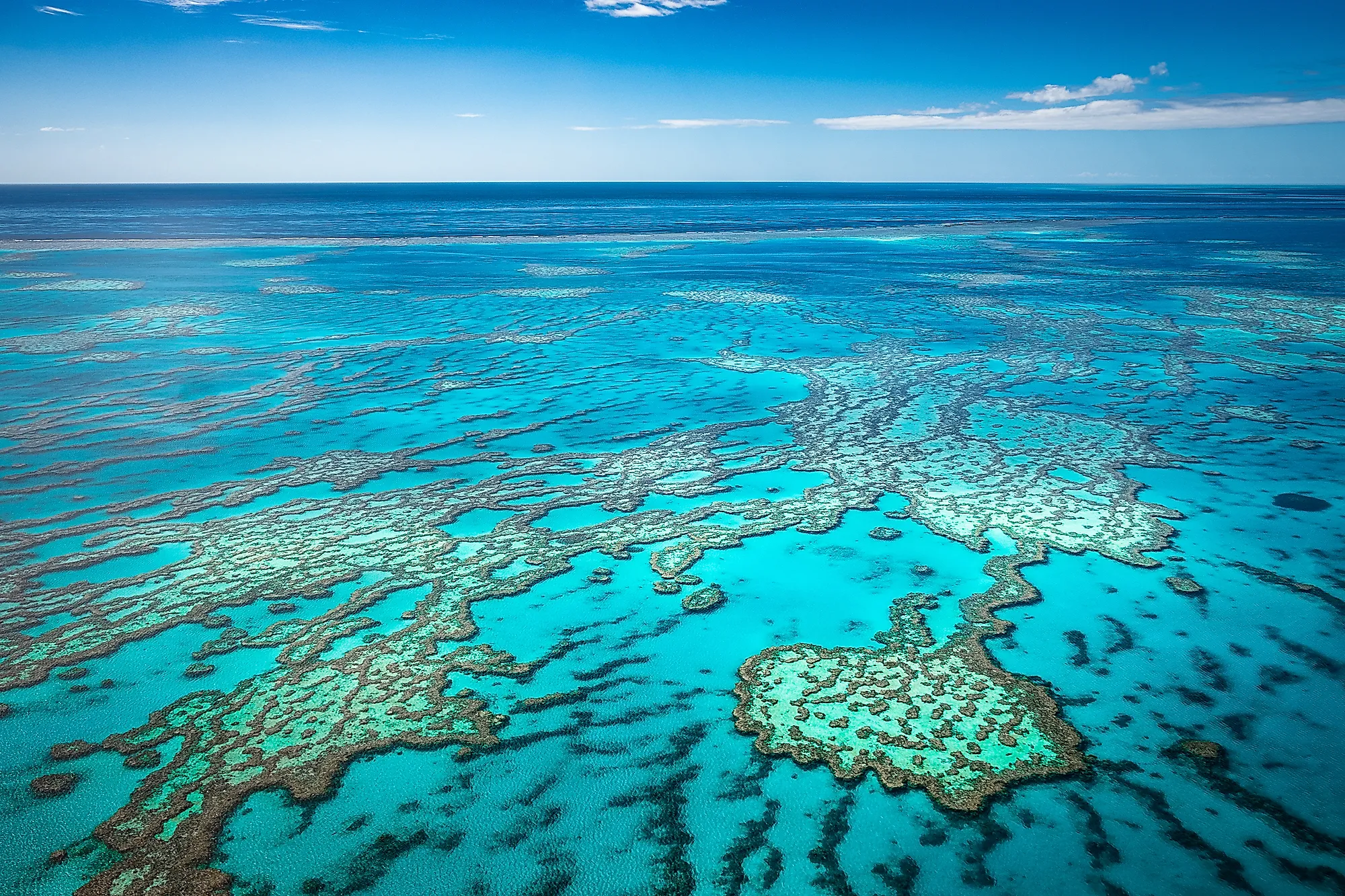
May through October represents the cairns best travel time for reef visits. Water visibility reaches 20 to 30 metres during these dry-season months, seas remain calm with minimal wind, and water temperatures hold steady between 23°C and 27°C. The stinger-free months also eliminate the need for protective suits, making snorkelling more comfortable across all outer reef sites.
Marine biologists record the highest coral spawning activity in late spring, when water temperatures cross the 27°C threshold. November brings the annual mass coral reproduction event, painting the water with billions of gamete bundles released in synchronized bursts across hundreds of reef systems. This biological phenomenon draws researchers and underwater photographers from five continents, yet it also clouds visibility for two to three weeks as the gametes disperse. The wet season stretches from December through April, bringing afternoon storms, elevated humidity and box jellyfish migration into coastal waters. Tour operators run full schedules year-round, but cancellations spike during cyclone activity between January and March. Water temperature climbs to 29°C by February, drawing manta rays and dwarf minke whales to the outer reefs. Visibility drops to 10 to 15 metres as runoff from the Daintree catchment carries sediment into the marine park. Stinger nets protect swimming enclosures at beach resorts, but reef trips require full-body suits from November through May. The cairns best travel time guide points consistently to the shoulder months of May and September. Visitor numbers thin after Easter, reef moorings open up, and water clarity rebounds as the wet season runoff clears. Humpback whales pass through the marine park during their northern migration in July and August, offering guaranteed sightings at specific reef platforms. Water temperature dips to 23°C by August, cold enough that most snorkelers opt for thin wetsuits on half-day trips. Wind patterns shift in October as the trade winds ease and the buildup season begins. Morning departures still enjoy glassy conditions, but afternoon sea breezes pick up by mid-month. Tour operators adjust schedules accordingly, concentrating departures between 8:00 and 10:00 when optimal visibility and calm water conditions typically occur.
“Water visibility reaches 20 to 30 metres during the dry season, when sediment settles and plankton blooms subside across the outer reef systems.”
Pre-Visit Checklist for Your Cairns Best Travel Time Trip
Essential preparations ensure a smooth reef experience regardless of when you visit.
-
Book your reef tour in advance — Operators fill quickly during peak travel windows and cancellations incur fees.
-
Check weather and sea conditions — Tropical weather can shift rapidly and affect vessel departures or snorkeling visibility.
-
Pack reef-safe sunscreen and swim gear — Chemical sunscreens damage coral; bring your own wetsuit or rashguard if preferred.
-
Bring motion sickness medication if prone — Open water can be choppy even during calmer months.
-
Confirm EMC payment method with operator — The 8.50 AUD Environmental Management Charge is collected separately for trips over three hours.
-
Download offline reef maps or guides — Mobile coverage ends beyond the coast; offline resources help identify marine life.
-
Arrange early transport to departure point — The 08:00–10:00 window offers optimal conditions and most tours depart by mid-morning.
Check availability
Frequently asked questions about cairns best travel time
Everything you need to know about cairns best travel time